

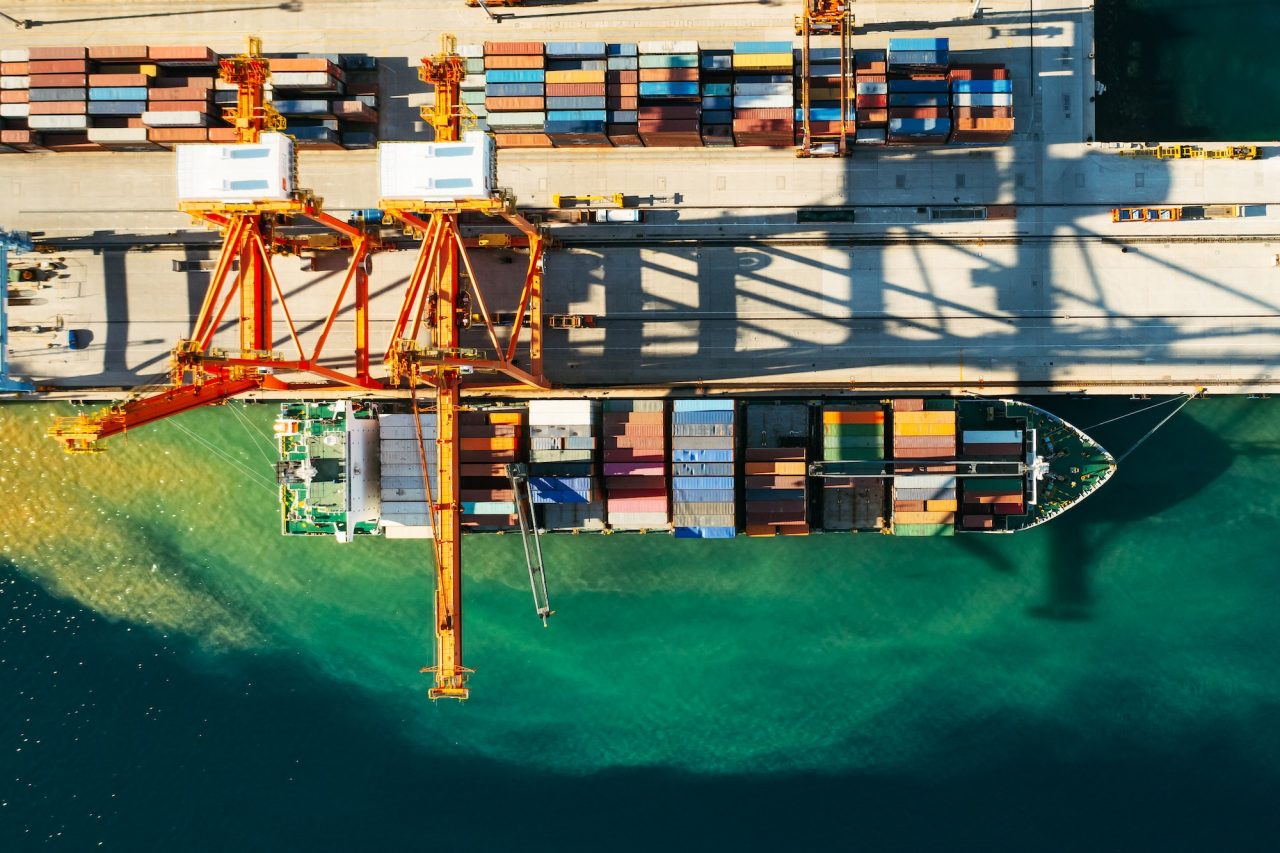
The Autonomous Port of Dakar (Port Autonome de Dakar) is the economic front door of Senegal and the principal maritime corridor for landlocked Mali. If you are shipping through the Port of Dakar, this guide is the operator's view of how cargo actually moves: the terminals, the documents that release a container, realistic clearance timelines, the charges to budget for, and where shipments get stuck. As the westernmost major deep-water port in Africa, Dakar is often the first -- or last -- African call on Europe-Americas rotations, which keeps transit times to Europe and North America among the shortest on the continent.
Why the Port of Dakar Matters
Dakar sits at the tip of the Cap-Vert peninsula, the closest mainland African port to Europe and the Americas. That geography gives it two advantages: short ocean transit times and a natural transhipment role for the wider West African coast. For importers, a Dakar routing is frequently faster than alternatives further down the Gulf of Guinea.
The port is also the maritime gateway for Mali. Landlocked Mali moves the bulk of its imports and exports through Dakar via the Dakar-Bamako road corridor, which makes the port a regional hub rather than a purely national one. If your cargo is destined for Bamako or the Sahel interior, the ocean leg into Dakar is only the first stage of the journey -- and the handover between sea and road is where planning pays off.
Terminals and What They Handle
The Port of Dakar is not a single facility but a cluster of specialised terminals, and knowing which one your cargo routes through determines the documents, equipment, and clearance steps involved.
- Container terminal -- the dedicated facility for FCL and LCL boxes, handling the majority of general cargo imports.
- Roll-on/roll-off berths -- for vehicles and wheeled or tracked equipment moving on their own chassis.
- Conventional quays -- for breakbulk, bagged commodities, and project or heavy-lift cargo that cannot be containerised.
- Specialised facilities -- dedicated installations for grain, the fishing industry, and petroleum products.
Most commercial importers deal with the container terminal, but breakbulk and project shippers route through the conventional quays, where lifting gear and stowage planning matter as much as paperwork.
The Documents That Decide Your Timeline
Three things release cargo in Dakar: a validated cargo tracking note, a complete customs declaration, and original shipping documents that match each other exactly. Discrepancies between the commercial invoice, packing list, and bill of lading are the single most common cause of clearance delays we see -- mismatched weights, descriptions, or container numbers all trigger queries.
The cargo tracking note is the BESC / COSEC waiver, a mandatory document that must be validated at the port of loading before the vessel arrives. It is the most common avoidable cause of delay because it cannot be fixed quickly after arrival. The customs side runs on Senegal's electronic systems and is covered in detail in our guide to customs clearance in West Africa. Get both of these right before the ship sails and the rest of the process is largely administrative.
Import Clearance, Step by Step
Customs clearance at Dakar is filed electronically through Senegal's GAINDE system and the ORBUS single window, usually by a licensed clearing agent acting on your behalf. The broad sequence is:
- Pre-arrival document check -- the agent confirms the BESC is validated and the invoice, packing list, and bill of lading agree.
- Declaration lodged in GAINDE -- the customs declaration is filed with the HS classification, value, and origin of the goods.
- Duty and tax assessment -- duties are applied under the ECOWAS Common External Tariff, plus VAT and any applicable levies.
- Inspection channel -- the declaration is routed to a green, yellow, or red channel, determining whether a documentary or physical inspection follows.
- Payment and release -- once duties are paid and any inspection is cleared, the container is released for delivery or onward transport.
With complete and consistent documentation, containerised import clearance commonly completes within a few working days of discharge. Incomplete files can stretch that into weeks, with storage and demurrage accumulating daily. The difference is almost always preparation before vessel arrival, not speed after it.
FCL, LCL, and Consolidation
How your cargo is loaded shapes how it moves through Dakar. A full container load (FCL) is the simplest: one consignee, one box, one clearance. Less-than-container-load (LCL) cargo is consolidated with other shippers' goods and must be deconsolidated at destination, which adds a handling step and a shared dependency -- your release can wait on the slowest consignee in the container.
For regular FCL and LCL movements, our ocean freight to Dakar service covers the sea leg and booking, while our NVOCC and LCL consolidation operation handles groupage for shippers whose volumes do not fill a container. If you ship LCL regularly, ask about our consolidation schedule so your cargo catches the next sailing rather than waiting for a box to fill. Choosing the right mode early -- rather than defaulting to LCL for every part-load -- often saves both cost and time.
Costs and Charges to Plan For
Beyond ocean freight, a Dakar import carries a predictable set of local charges. Treat the following as the categories to budget for rather than fixed figures, since rates vary by cargo, terminal, and shipping line:
- Terminal handling charges -- levied at the container terminal for moving the box.
- Storage -- free for an initial period after discharge, then charged per day; this is where slow clearance gets expensive.
- Demurrage and detention -- charged by the shipping line when its container is held beyond the agreed free time.
- Customs duties and VAT -- assessed under the ECOWAS Common External Tariff.
- BESC and agency fees -- the cargo tracking note and your clearing agent's service.
Storage and demurrage are the charges most within your control, and they accumulate fastest. Every day saved on clearance is a day of charges avoided, which is why front-loading the documentation work pays off directly.
Onward to Mali and the Interior
Dakar is the start of the Dakar-Bamako corridor, moving Malian imports and exports by road. If your cargo continues inland, plan the corridor leg with the same care as the ocean leg: transit documents, escort requirements, and truck availability all affect total delivery time. Our inland transportation service manages this leg end-to-end, so the handover from quay to truck does not become a new bottleneck.
Working With a Forwarder on the Ground
Every shipment WTL handles through Dakar is managed by people who work at this port every day. From freight forwarding in Senegal to bonded warehousing near the port, we keep cargo moving because we know exactly where it can get stuck. Request a quote for your next shipment, or visit our Dakar office.
Frequently Asked Questions
How long does customs clearance take at the Port of Dakar?
With complete, consistent documentation and a validated BESC, containerised clearance typically completes within a few working days of discharge. Incomplete or mismatched paperwork can extend this to weeks while queries are resolved and storage accrues.
What documents do I need to clear cargo in Dakar?
At minimum: a validated BESC cargo tracking note, the commercial invoice, the packing list, and the bill of lading -- all matching each other exactly. Your clearing agent files the customs declaration through the GAINDE system on that basis.
Is the BESC required for shipments through Dakar?
Yes. The BESC (COSEC waiver) is mandatory for all sea freight to Senegal and must be validated before the vessel arrives. See our dedicated BESC guide for the full process.
Can cargo move from Dakar to Mali?
Yes. Dakar is the main maritime gateway for landlocked Mali via the Dakar-Bamako road corridor. The inland leg needs its own transit documentation and truck planning, which a forwarder coordinates with the ocean leg.
What causes the most delays at the Port of Dakar?
A late or missing BESC and discrepancies between the invoice, packing list, and bill of lading are the two most common avoidable causes. Both are resolved by checking documents before the vessel sails, not after it arrives.
Does WTL handle both the ocean freight and customs clearance into Dakar?
Yes. WTL manages the shipment end to end -- ocean freight, the BESC, customs clearance through GAINDE, port handling, and onward inland transport to Mali where needed -- so you work with a single point of contact instead of coordinating separate providers.