

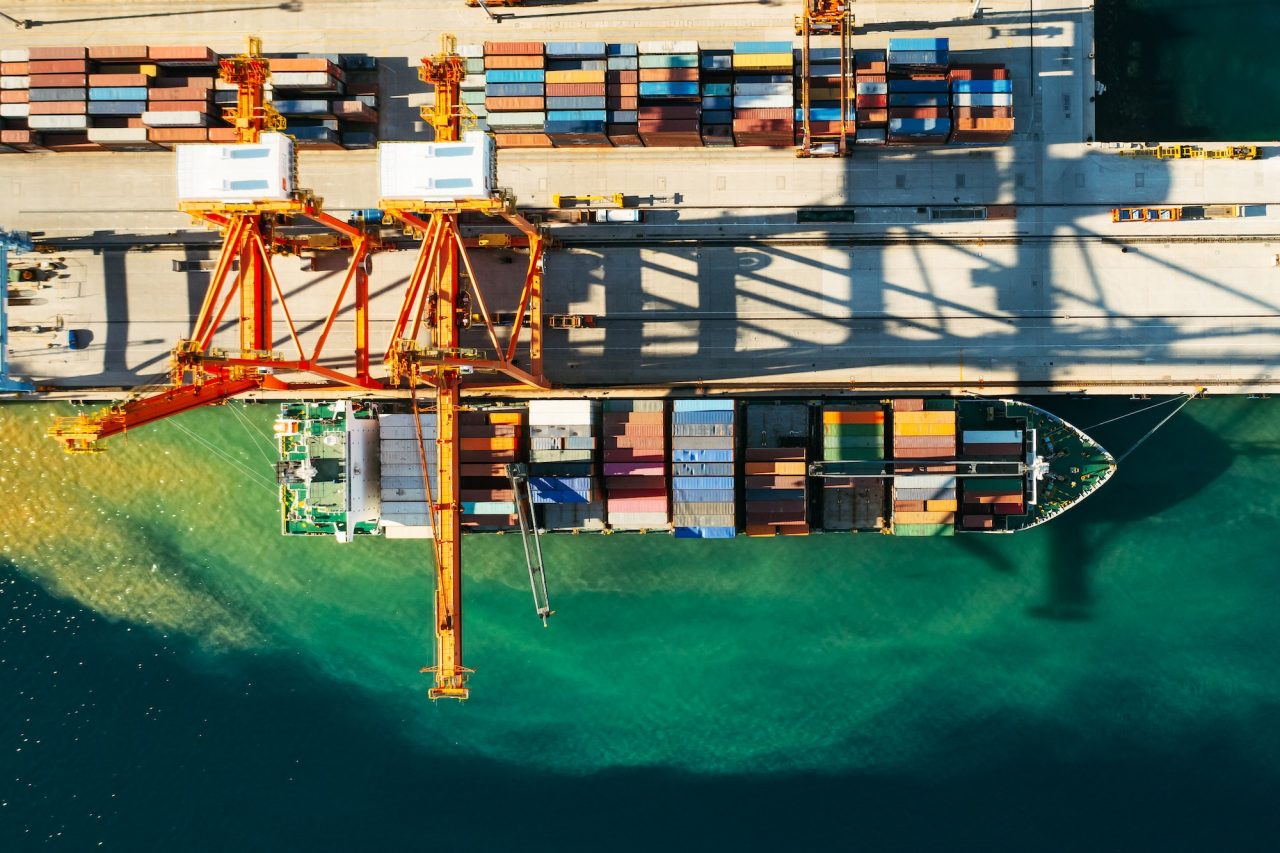
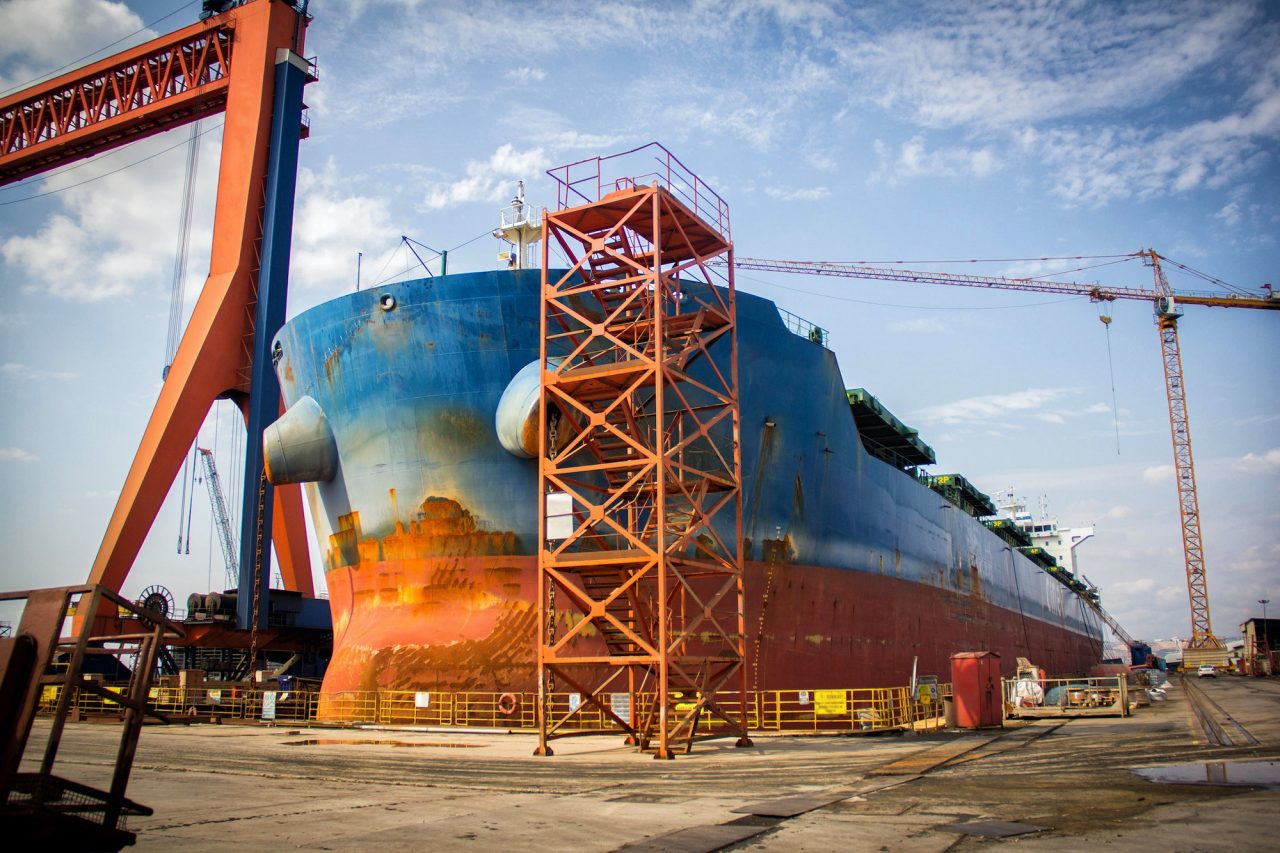
One of the most critical decisions in international logistics is choosing between ocean freight and air freight. Each mode has distinct advantages and trade-offs that can significantly impact your bottom line.
Cost Comparison
Ocean freight is significantly cheaper per kilogram than air freight, typically costing 12-16 times less. For large, heavy shipments that aren't time-sensitive, ocean freight is the clear winner. However, the cost advantage diminishes for smaller shipments where minimum container charges apply.
Speed and Transit Times
Air freight delivers goods in 1-3 days compared to 20-45 days for ocean freight. For perishable goods, high-value electronics, or urgent medical supplies, air freight is essential. WTL offers express air freight services with guaranteed delivery windows.
Cargo Suitability
Ocean freight accommodates virtually any cargo size, from a single pallet to entire industrial plants. Special container types (refrigerated, open-top, flat rack) handle diverse cargo needs. Air freight has stricter size and weight limitations but offers superior handling for fragile items.
Environmental Considerations
Ocean freight produces approximately 10-40 grams of CO2 per ton-kilometer, while air freight generates 500-600 grams. Companies with sustainability goals should factor environmental impact into their logistics decisions.
The WTL Recommendation
At WTL, we help clients find the optimal balance. Our multimodal solutions often combine both modes — using air freight for urgent components and ocean freight for bulk materials — to maximize efficiency and minimize costs.